THE ART OF SCHEDULE
click pinhas 2026 for download
THE ART OF SCHEDULE
Between school and camp, city and country, a pattern repeats itself across the clients who come to my desk: it’s usually not the problem that’s the problem. The real culprit is the absence of structure — and that absence quietly manufactures the problems that follow.
Marital strife and parenting blowups are often not a “values” problem or a “love” problem. They’re a “no-schedule” problem. Most homes don’t lack love. They lack a rhythm, which result in technical failures. The fight was never really about the dishes; it was about the fact that no one knew whose job they were.
Structure doesn’t just organize the day — it prevents the problems that chaos would otherwise create. When a home has little structure or unstable routines, the child’s exchanges with the environment become unpredictable, which impairs development and lowers a child’s sense of competence. Predictable routines are linked to better outcomes in cognition, self-regulation, social-emotional skills, academics, and both mental and physical health.
In other words: predictable family routines — morning prep, dinner, bedtime — create stable children and a stable Shalom Bayit. And when routines collapse, the very same family suddenly generates friction it never had before.
Children who had just three simple protective routines — enough sleep, a family dinner, and limited screen time — had a 40% lower rate of obesity than children who had none of them. A consistent bedtime routine is worth more than an extra hour of sleep a night, and will help prevent behavior problems the next day. Structure isn’t just something nice. It’s the best intervention.
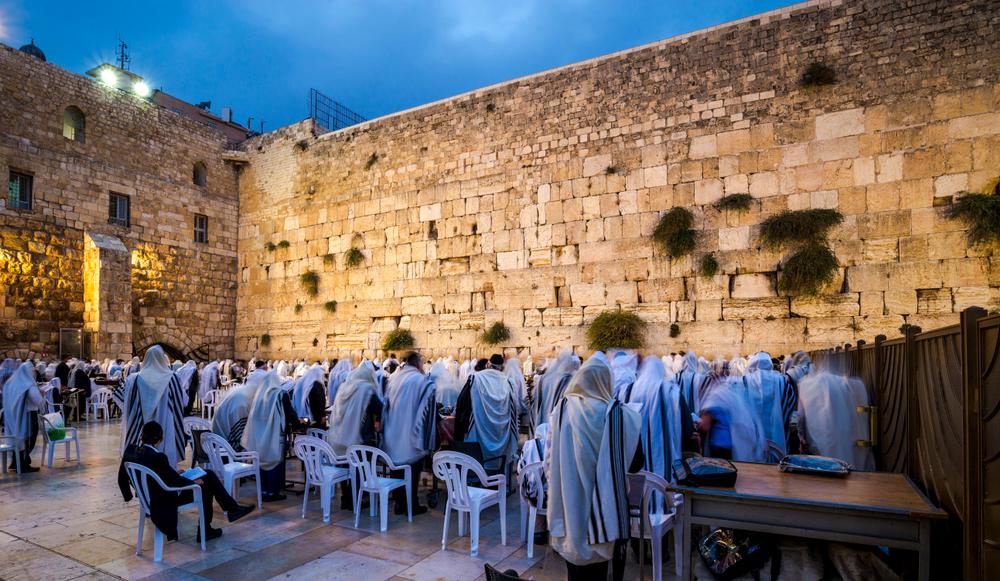
We’re standing right now in the Three Weeks, Bein HaMetzarim, longing for a rebuilt Jerusalem. Here is something that we can focus on, to build and incorporate into our spiritual lives the best routine and structure, to bring us back the Bet Hamikdash. We need to study first, what caused the destruction. It is the Tamid sacrifice that is discussed in Parashat Pinhas.
The three begins with the fast of the 17th of Tammuz. Two of the five tragedies of that day speak directly to our theme: the daily offering (Korban Tamid) ceased, and the walls of Jerusalem were breached (Mishnah Ta’anit 4:6). During the siege of the First Temple, three years of siege and the enemy couldn’t break in. On 17th of Tammuz the continual daily Tamid sacrifice was discontinued. The walls of the First Temple were breached on 10th of Tevet.
Another thing that happened on 17th of Tammuz, the walls of Jerusalem in second Temple times were breached. This led to the destruction three weeks later on Tisha b’Av.
During the Destruction of the Second Temple, the Romans couldn’t break in until the 17th of Tamuz. Why?
Here is the chilling story (Sotah 49b), that happened during the siege of the Hasmonean civil war, Hyrcanus outside and Aristobulus within, years before the Roman destruction, at the close of the Second Temple. The besieged inside had an arrangement: each morning those on the Temple side, would lower a basket of gold over the wall, and the besiegers below would take the gold and send up two lambs for the daily offering. One day an old man who “knew Greek wisdom” told them: as long as they’re busy with the service, you won’t defeat them. So, they sent up a pig instead of a lamb. When the pig’s hooves reached the middle of the wall, the land of Israel shuddered — four hundred parsah by four hundred parsah. That day, for the first time, the tamid was not offered, that day was the 17th of Tammuz (according to some opinions) and that is the day, during the Roman invasion years later, the walls were breached. The Gemara ends the narrative with the declaration: “Cursed is the person who raises pigs.”
What is the connection between the Tamid not being brought and the destruction of the walls? The daily rhythm was, quite literally, the city’s defense. The Temple didn’t fall the day the walls broke. It fell when the routine was broken.
The pattern goes back to the very beginning. On the night the First Temple was completed, King Solomon married the daughter of Pharaoh. She hung a canopy over the bed studded with gems that glittered like stars, so that each time Solomon stirred, he thought it was still night and slept on — until the fourth hour of the day. The keys of the Temple lay under his pillow, so the korban tamid could not be offered on the very morning of the dedication, and the whole nation was distressed. They sent for his mother, Batsheva, who woke him and rebuked him. He answered her by singing Eshet Chayil, proclaiming her the original Woman of Valor in Mishlei. But the damage was done. G-d swore: because the first Tamid was not brought on time, this Temple will one day be destroyed, its fate sealed by a single morning routine missed on day one.
Again, why is not bringing the Tamid causing the Destruction?
The Sages debate which is the most important verse in the whole Torah. One said Shema Yisrael. One said “Love your neighbor as yourself.” And the third said: “Et hakeves echad ta’aseh ba’boker” — the one lamb you shall offer in the morning, and the second toward evening (Bamidbar 28:4). And the ruling came down: the law follows the last opinion. Not Shema Yisrael. Not love your neighbor. The most important verse in the Torah is: the lamb in the morning. How does that make sense??
Because the frame that holds the whole life together is the way you begin and end your day. A person is a creature who follows his previous move. You are always obeying yesterday’s momentum — so be careful what yesterday hands you. Start the day frayed, in nerves, in shouting, and you’ve drained your composure before the day’s real work even begins. Modern research bears this out: how we regulate our emotions early sets the tone for what follows, and consistent morning and bedtime routines are linked to fewer behavioral problems years later.
The Sefer Hassidim writes that only if a person goes to sleep like a spiritual lion, can he wake up like a spiritual lion. He derives this from the Passuk in Parashat Balak, הֶן־עָם֙ כְּלָבִ֣יא יָק֔וּם וְכַאֲרִ֖י יִתְנַשָּׂ֑א לֹ֤א יִשְׁכַּב֙ עַד־יֹ֣אכַל טֶ֔רֶף Behold, a People that rises like a lioness and raises itself like a lion. It does not lie down until it eats its prey. (Bamidbar 23 ;24) Rashi explains that getting up like a lion, is how one gets up to put on Tallit, Tefillin, and say the Shema. What does this mean, that we don’t go to sleep until we eat our prey? Rashi explains: לא ישכב – בלילה על מטתו עד שהוא אוכל ומחבל כל מזיק הבא לטרפו. כיצד, קורא את שמע על מטתו ומפקיד רוחו ביד המקום, בא מחנה וגייס להזיקם, הקדוש ברוך הוא שומרם ונלחם מלחמותם ומפילם חללים.: The Jew won’t go to sleep on his bed, until he eats and destroys all the damagers who come to devour him. How so? He reads Shema on his bed, and he deposits his soul in the Hands of Hashem. Then, when an army comes to hurt the Jews, HKBH watches over them, and fights their wars, and knocks them down as corpses.
The Sefer Hasidim, then, reads the passuk, that if you want to get up a like a spiritual lion, to do the Mitzvoth with fervor and passion – כְּלָבִ֣יא יָק֔וּם וְכַאֲרִ֖י יִתְנַשָּׂ֑א , you need to go to sleep like a lion – לֹ֤א יִשְׁכַּב֙ עַד־יֹ֣אכַל טֶ֔רֶף, by saying the Shema in the right way.
Focus on routine: Begin the day with Modeh Ani, not with dread, but with a real, considered thought that G-d is with you. He has helped you until now and will help you onward, and asks of you only to be you: He trusts that you will become the best you you can be — and suddenly something shifts. You stop judging yourself through other people’s eyes. You stop comparing. You know you were made to succeed, not made to fail
Modeh Ani is, in essence, a gratitude practice. People who spent a few minutes regularly noting what they were grateful for became more optimistic, exercised more, reported fewer physical complaints, and made more progress toward their personal goals.
Modeh Ani is the first brick you lay each morning — and the whole day leans on it. So, guard your tamid. Find the one daily practice that, if it slips, quietly unravels everything else — and protect it.
Don’t try to manage your children or your spouse, or your employees. Instead, manage the schedule, and let the schedule manage everyone. Book your day with a fixed beginning and a fixed end, and let the middle take care of itself.