THE ART OF INVISIBLE GROWTH
click Beshalach 2026 e Book to download
THE ART OF INVISIBLE GROWTH
Have you ever worked hard at something, really hard, poured everything into it, and felt like nothing came of it? Maybe it’s a relationship you keep trying to fix. A career that feels like running on a treadmill. Parenting that leaves you feeling like you’re failing no matter what you do. No results. No feedback. You may have become a person who stopped believing that anything you built would last.
That was the core of the exile in Egypt.
It is hard for us to fathom what exactly was the slavery, bondage and exile that the Jews were in. When the Jews complained about the desert conditions, they said how good it was for them in Egypt. Bnei Yisrael cry out: “We remember the fish we ate in Egypt for free… the cucumbers, the melons, the leeks, the onions, and the garlic.” (Bamidbar 11:5) How could free slaves miss slavery?
Egypt was the land referred to as כגן ה’ like G-d’s Garden. The Nile was a natural irrigation system. Egypt was beautiful and rich, fertile, comfortable, material plenty, and technologically advanced. ערות הארץ the Land of Physical Pleasure, Impurity, Spiritual Emptiness. What then was the Exile of Egypt about?
Pharoah’s plan of Exile and Slavery was to break the spirits of the Jews, to train them to stop believing that efforts lead anywhere. In Egypt, the Jews built two cities: Pitom and Raamses. Pitom, Pi Tehom, it was built on quicksand and sinkholes. You’d build and build, and suddenly, Pitom, the ground would collapse, and everything would fall in. Raamses was from the word נמס, whatever you constructed simply crumbled and dissolved. 210 years, 3 million Jewish male slaves ages 20 to 60 working on building these two cities, and all their building efforts of these two cities were fruitless. Many Jews died building these two cities, it was dangerous to build there, ערי מסכנות, as in סכנה, danger. The sons, בנים, who are the continuation of a father, would be thrown into the Nile. This was avodat parech—crushing labor. Not crushing because it was physically hard, but because it led nowhere.
When Moshe came to tell the Jews the good news that Redemption has finally arrived, they were so broken in spirit, they could not hear words of hope. מִקֹּ֣צֶר ר֔וּחַ Kotzer ruach That was the whole slavery and exile. The numerical value of מִקֹּ֣צֶר MiKotzer is 430, which is the year count that it says the Jews were in Egypt, even though they were only there for 210 years. Because the slavery was about reaching a level of psychological break down.
What is Kotzer ruach? Kotzer ruach isn’t sadness. It’s when you feel so helpless and hopeless, that you can’t believe change is possible! When Moshe told them, We are leaving! They just did not want to be disappointed!
Even after witnessing the plagues, the Jews were so psychologically constricted, they could not believe, that there was any point in leaving! Even though they knew they were leaving, they only had enough time to bake Matzah! Why couldn’t they bake bread? Moshe told them that they would be leaving any minute!? Bread requires planning, patience, confidence that what you start will finish. Matzah is the food of people who have lost faith that waiting leads anywhere. Matzah is survival food, no delay, no trust in process. Matzah, was the only bread they knew הא לחמא עניא די אכלו אבהתנא בארעא דמצרים
The commentators explain that Kotzer Ruach, short spiritedness meant, that they were so broken from trying to stop serving idols, they did not believe they can ever stop!!! That was Egypt! Mitzrayim, means, constricted! As much as you try to build, physically, spiritually, everything just collapses!
What is psychological constriction? Here is a famous flea experiment to explain: you put a flea in a jar and you cover the jar with a clear lid, and after enough jumps, and enough head bumps, the flea stops jumping higher than that invisible ceiling. Later, when you remove the lid, the flea won’t even try to escape. The flea will jump to exactly the height of the jar, but no higher! Why? Repeated failure trained the nervous system of the flea to stop expecting escape. And once expectation is gone, people don’t prepare. They don’t pack. They don’t plan. Not because they don’t want freedom, but because they’ve learned that pushing higher is pointless.
The commentators teach, that Egypt was not only a physical prison, an emotional and spiritual prison. It was a mystical one, bound by Bilaam’s dark sorceries. The Midrash teaches that when Bilaam was Pharoah’s advisor, he had placed black magic upon Egypt’s borders. Two massive idols, crafted in the likeness of dogs, stood at the boundaries. Through Bilaam’s witchcraft, these stone guardians would burst into deafening barking whenever a Jewish slave attempted to cross beyond Egypt’s borders. The supernatural alarm would alert the authorities, and the Jew would be penalized. Bilaam’s second spell was worse than the first: a Jew who somehow managed to escape by foot, walking for hours, even days, no matter how far he traveled, no matter which direction he chose, the sorcery would bend every road back toward Egypt.
When a person has lived too long in a Pitom and Raamses mindset, hope is dangerous. When you’ve learned that nothing lasts, all seems futile. Pharoah made Egyptian slavery in the spirit, not only in the body. Don’t expect better, don’t trust growth. Don’t believe tomorrow can be different. The hardest part of slavery was not the bricks, it was the mental conditioning. The deepest exile is when: A person no longer feels enslaved, because the exile feels like home. At least there, when we don’t try to change, we know what to expect. Nothing. That’s why many Jews didn’t want to leave.
Viktor Frankl discovered in Auschwitz that people didn’t collapse primarily from suffering, but from suffering without meaning. When effort feels endless, when efforts doesn’t lead to progress, that is the classic condition for burnout. There’s an old story of a man who is imprisoned. One day, the jailer tells him: “If you want food, turn this millstone all day.” So the prisoner works, turning, sweating, exhausting himself. Day after day. Year after year. He feels that at least he is doing something meaningful and his efforts bear fruit. Years later, he’s released. Only then does he discover the truth: the millstone was never connected to anything. Behind the wall he sees nothing but a rusty chain. No grain. No mill. No purpose. He screams, “All those years! I worked for nothing that had any benefit for anyone!” And that is when he breaks!
Many people today are living in a modern Egypt. We may feel we invested so much, and it does not seem like anything we did, built anything meaningful. We can ask, if G-d does everything for the good, what was the good in this whole constricted slavery of Egyptian Exile we went through for 210 years?
Well, listen to what the guard says to the prisoner who saw fruitlessness to his efforts: “You worked to stay alive. If you hadn’t turned the mill, you would not have survived. You needed this to keep you busy in the cell, otherwise, you would have lost your mind! In other words: You weren’t grinding grain. You were grinding yourself into someone who could survive. Sometimes, the purpose of what you’re doing is not what it produces, but what it produces in you.
The real question is: What kind of people does effort-without-results create? Egypt taught the Jews how to keep going even when they couldn’t see meaning. How to follow instructions without understanding. How to act without guarantees. That is what prepared them for Naaseh v’Nishma, we will do and we will listen. The Jews in Egypt learnt humility. They learnt empathy to other slaves, empathy to converts and strangers. They learnt to follow orders, even without knowing what the meaning was. We learnt to fight spiritual challenges, even if we feel that we are building on quicksand.
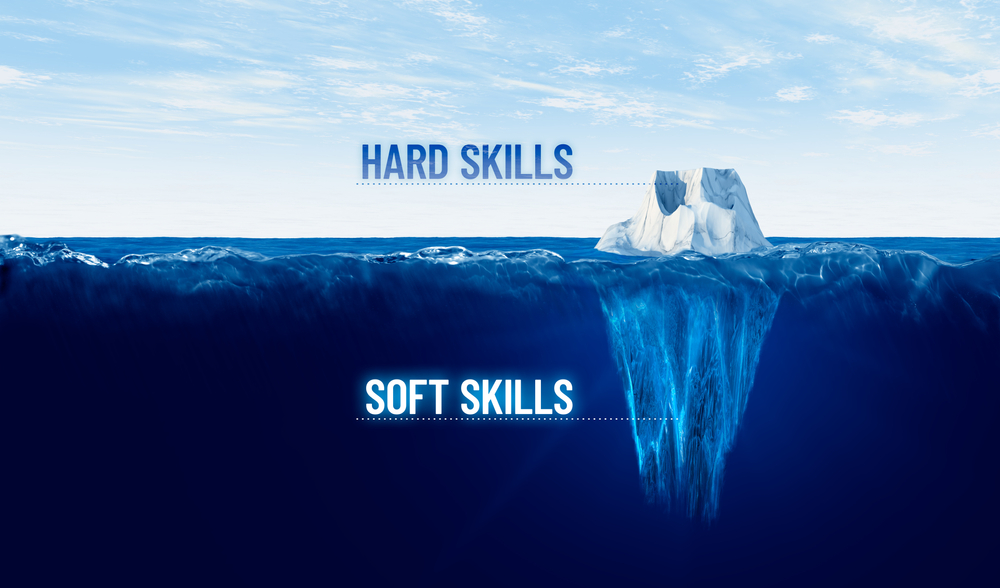
Effort is not measured by what you can see. It is measured by what it makes of you. You can’t measure your success by the outcome of your work, but instead, by the person who you have become in times of stress, conflict and adversity. Avraham obeys G-d’s command of Lech Lecha, moves, sacrifices for a better future, yet sees famine, exile, setbacks. Yaakov for 20 years in Lavan’s house experienced deception, and endless labor. Moshe Rabbeinu is king for 40 years in Midian, until he was chased from there as well. 40 years of Moshe’s life, that go into total disappearance from history. Chazal say these places, although they seemed fruitless, but that is what built Avraham, Yaakov, and Moshe to become the people they were meant to be! Avraham the man of blind faith, Yaakov the man of truth, and Moshe to become a leader of men! Growth often feels invisible, until suddenly, it is revealed all at once. Chana went through years of unanswered tefillot, where all she got was years of silence. The Gemara says her prayers reshaped the entire halachic structure of tefillah, and from her the nation learned for the rest of time, how one is supposed to pray. The efforts that bore no fruit, created the person who became eternal.
One day, somehow, Hashem shows a person what they were building all along. Nothing was lost.
Not a single effort. Not a single tear.